Local control, as the most basic operating method, should be designed with "instant response" as its core principle.
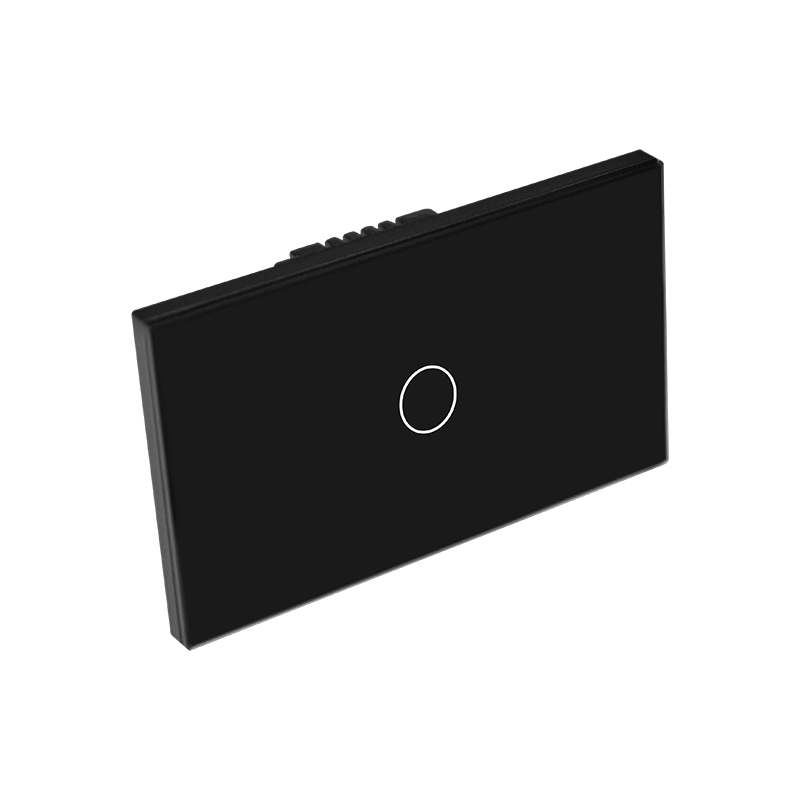
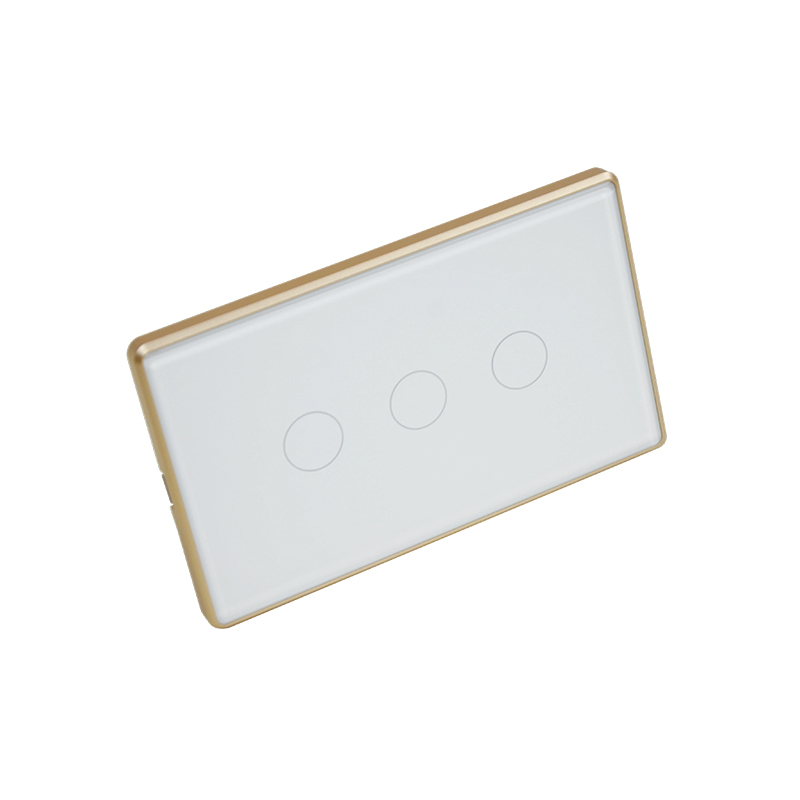
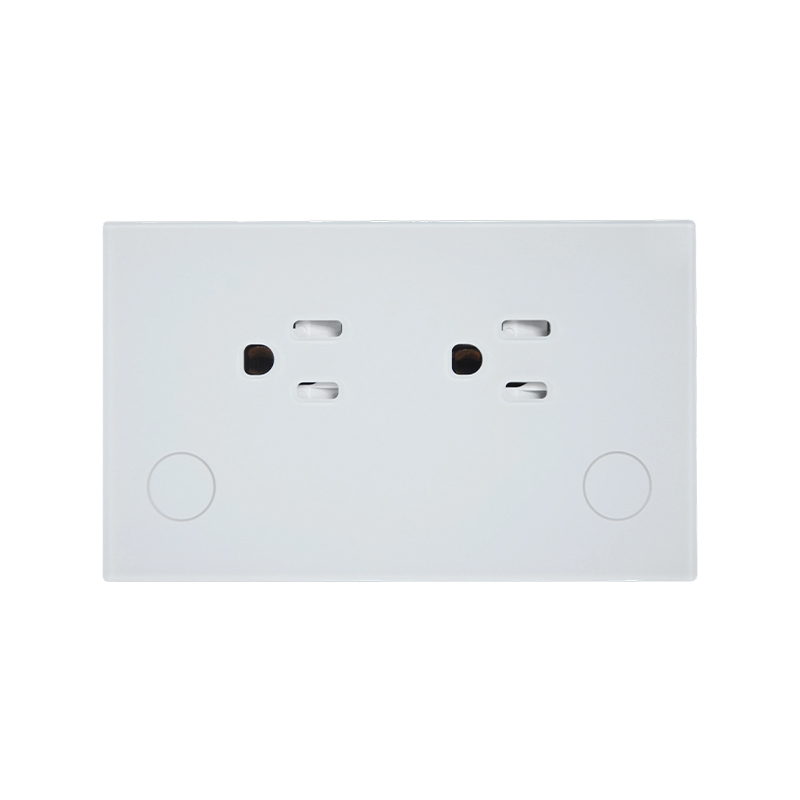
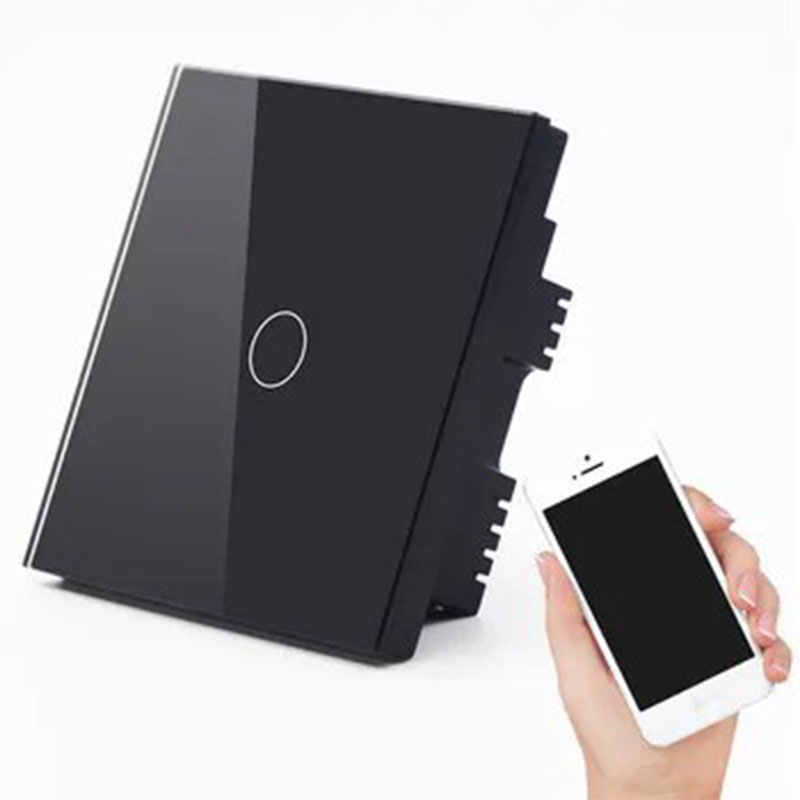
In today's increasingly popular smart home environment, switches are no longer just simple tools for controlling light, but have become important carriers for improving convenience and spatial aesthetics.
Traditional smart home systems mostly use Wi-Fi or Bluetooth protocols, but these protocols are prone to congestion when there are many devices or complex network environments, leading to increased latency.
The software diagnostic layer achieves precise fault location by parsing hardware self-test data and combining it with device operation logs and historical fault modes.
In the current global wave of smart homes, wall switches are no longer simple mechanical on/off devices, but have evolved into core nodes connecting physical spaces and digital life.
The evolution of home automation has transformed the way we interact with our living spaces, shifting from isolated mechanical switches to interconnected intelligent systems. At the heart of this transformation lies the smart switch, a device that serves